Why Reminders Improve Relationship Health for Couples

Why Reminders Improve Relationship Health for Couples
Reminders are defined as external memory tools that protect relationship health by reducing forgetfulness, distributing emotional labor, and signaling consistent care between partners. The science behind why reminders improve relationship health is clear: couples who build shared reminder systems report less conflict, less resentment, and stronger emotional bonds. This is not about compensating for a bad memory. It is about creating visible infrastructure that keeps both partners present, accountable, and connected. Pingher is built on exactly this principle, making it easy to send personalized, meaningful messages that reinforce closeness every single day.
Why reminders improve relationship health: the core mechanism
Reminders work because they externalize memory, shifting the burden of recall from individual willpower to a shared system both partners can see and trust. When one person forgets an anniversary, a follow-up on a hard conversation, or a promise made in passing, the emotional fallout is rarely about the forgotten item itself. It is about what the forgetting signals: that the other person does not care enough to remember. Reminders interrupt that interpretation before it takes root.

Therapists consistently frame external memory systems as relational teamwork, not a workaround for laziness. That reframe matters because it removes shame from the equation and replaces it with collaboration. When both partners contribute to and rely on the same reminder system, forgetfulness becomes a logistical problem with a logistical solution, not a character indictment.
The psychological mechanism is straightforward. Shared systems lower cognitive load, which reduces anxiety. Lower anxiety means better emotional availability. Better emotional availability means more genuine connection. The reminder is the first domino.
What is relationship mental load and how do reminders lighten it?
Relationship mental load is the invisible work of planning, anticipating, and coordinating the emotional and logistical demands of a shared life. It includes remembering birthdays, scheduling date nights, tracking a partner’s stress levels, and knowing when the car insurance renews. This labor is often carried disproportionately by one partner, usually without acknowledgment or support.
The problem with invisible labor is that it accumulates silently. The partner carrying it feels exhausted and undervalued. The partner unaware of it feels unfairly accused when tensions surface. Neither outcome serves the relationship. Shared reminder systems make the invisible visible by creating a structure both partners can see, update, and act on.
Here is what relationship mental load typically includes:
- Tracking important dates: anniversaries, birthdays, medical appointments
- Initiating emotional check-ins after difficult conversations
- Planning connection rituals like date nights or weekend activities
- Following up on things a partner shared earlier in the week
- Managing household logistics that affect both partners’ schedules
Shared digital calendars and reminder apps redistribute this load more fairly. When both partners receive the same prompt, responsibility becomes explicit rather than assumed. That clarity alone removes a significant source of low-grade resentment.
Pro Tip: Set up a shared calendar with recurring reminders for both logistical tasks and emotional ones. A weekly prompt that reads “Check in on how your partner is feeling this week” costs nothing and signals that their inner life matters to you.
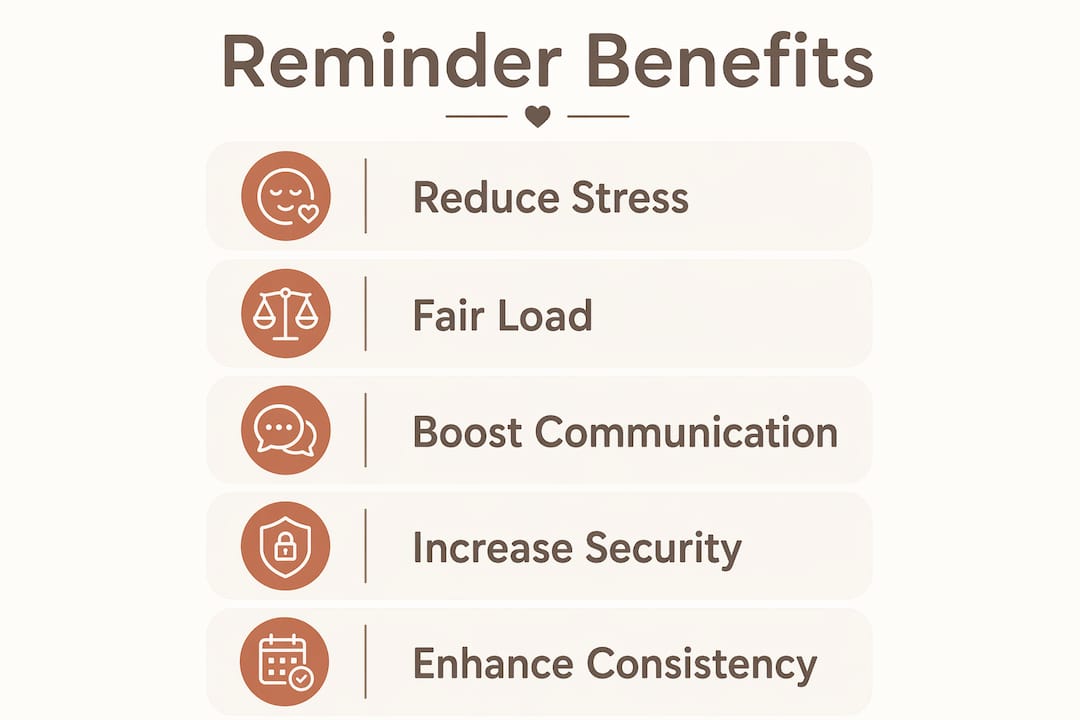
Most couple disagreements about forgetting stem from ambiguous responsibility rather than a genuine lack of memory. When neither partner is explicitly assigned a task, both assume the other will handle it. Reminders with named owners solve this before it becomes a conflict.
Why forgetting is not a character flaw: the case for externalizing memory
Forgetting is a logistical failure, not a moral one. Therapists draw this distinction deliberately because the alternative, treating forgetfulness as evidence of not caring, causes far more damage than the original lapse. When a partner says “you never remember anything,” they are usually expressing hurt, not making an accurate claim about memory capacity.
Externalizing memory into shared systems not only reduces shame and anxiety but also improves memory performance by lowering cognitive load. The myth that real love should be spontaneous harms relationships. Systems create space for quality connection despite imperfect memory.
That insight from relationship therapists reframes the entire conversation. A couple that uses a shared reminder app is not admitting defeat. They are practicing the same discipline that high-performing teams use: building systems that make success repeatable, not dependent on individual heroics.
Low-pressure nudges via notifications increase follow-through more than guilt or moral appeals. That finding has a direct application for couples. A gentle reminder at 6:00 PM that says “You mentioned your partner had a tough meeting today” is more likely to prompt a caring check-in than any amount of self-imposed pressure to “be more attentive.”
Pro Tip: After a lapse, skip the apology spiral. Acknowledge the miss, update the reminder system to prevent it next time, and move forward. Quick repair after a lapse rebuilds trust faster than perfect recall ever could.
Voicing memory of a partner’s shared experiences, a practice researchers call elaborative encoding, not only deepens connection but also improves retention. Saying “I remembered you had that presentation today, how did it go?” reinforces the memory in your own mind while communicating care to your partner. The reminder triggers the behavior, and the behavior strengthens the bond.
How the right reminders strengthen emotional bonds and communication
Not all reminders are equal. A bare calendar alert that reads “anniversary” does almost nothing. A reminder that reads “Anniversary dinner, 7:00 PM, make a reservation at the Italian place she mentioned last month” prompts immediate, specific action. Including the reason and context with a reminder is what separates a useful prompt from digital noise.
The psychological needs at stake here are relatedness and mattering. Every person in a relationship needs to feel that they belong and that their presence makes a difference. Daily reminders of care address both needs directly. They are not grand gestures. They are consistent, low-effort signals that say “I am thinking about you and what matters to you.”
Here is how to build reminders that actually strengthen bonds:
- Include the reason. “Call to check in” is vague. “Call to ask how her job interview went” is specific and shows you were listening.
- Add timing context. Set the reminder for a moment when you can actually act on it, not during a meeting or commute.
- Reference personal details. A reminder tied to something your partner shared privately communicates that you hold their experiences as important.
- Make it recurring where appropriate. Weekly check-in prompts build a rhythm of connection that becomes a relationship ritual over time.
- Keep the friction low. A reminder that requires ten steps to act on will be ignored. The simpler the action, the higher the follow-through.
Small acts of remembering communicate presence and value, increasing feelings of security in the relationship. This is not about having a perfect memory. It is about interpersonal validation through consistent, deliberate action.
Daily low-effort follow-ups that check in on previously shared situations predict better relationship functioning by maintaining closeness. They reinforce positive routines and counteract the gradual erosion that busy lives create. A one-minute message asking “How did that thing go today?” does more for long-term connection than most couples realize.
What practical systems can couples use to implement reminders?
The best reminder system is the one both partners will actually use. Complexity kills consistency. The goal is a shared infrastructure that fits naturally into daily life, not a project that requires ongoing management.
Choosing the right tools
| Tool type | Best for | Key strength |
|---|---|---|
| Shared digital calendar | Logistical and date-based reminders | Visibility for both partners |
| Couples messaging apps | Daily affection and emotional check-ins | Low friction, personal touch |
| Journaling with prompts | Reflective and gratitude-based reminders | Depth and intentionality |
| Scheduled weekly check-ins | Emotional temperature and mental load review | Consistency and dialogue |
Weekly 15-minute check-ins help couples monitor emotional temperature and distribute mental load, which reduces relational friction. Treat this time as a standing appointment, not an optional add-on.
The design principles that make reminder systems work are straightforward:
- Clarity of ownership. Every reminder should have one person responsible for acting on it.
- Recurring prompts. One-time reminders fade. Recurring ones build habits.
- Shared visibility. Both partners should see the system, even if only one acts on a given item.
- Variable timing. Reminders aligned with relationship warmth and priority outperform default daily alerts. A reminder set for Friday evening lands differently than one set for Monday morning.
Shared reminder systems with clear task responsibility remove nagging loops and improve logistical coordination. That is not a small benefit. Nagging is one of the most corrosive patterns in long-term relationships, and it almost always traces back to unclear ownership of shared responsibilities.
Pro Tip: Start with one shared reminder category, such as important dates, and add more only after the habit is established. Couples who try to overhaul everything at once rarely sustain any of it.
For couples who want to go beyond logistics, thoughtful digital communication offers a way to balance emotional labor and keep affection visible in daily life.
Key Takeaways
Reminders improve relationship health by making care visible, distributing mental load fairly, and creating consistent signals of presence that build emotional security over time.
| Point | Details |
|---|---|
| Reminders externalize memory | Shared systems shift forgetting from a moral failure to a logistical challenge both partners can solve. |
| Mental load needs visibility | One partner often carries invisible planning work; shared reminders make that labor explicit and fair. |
| Context makes reminders effective | Reminders that include the reason and timing prompt action; vague alerts get ignored. |
| Daily follow-ups build bonds | Small, consistent check-ins address the psychological needs of relatedness and mattering in close relationships. |
| System design determines success | Clear ownership, recurring prompts, and low friction are the three factors that make reminder habits stick. |
What I have learned from watching couples fight about forgetting
The couples I have seen struggle most with forgetfulness are rarely dealing with a memory problem. They are dealing with an accountability gap. One partner assumed the other would remember. The other assumed it was not their job. Neither wrote it down. Both feel wronged. That pattern repeats itself in thousands of relationships, and it is almost entirely preventable.
What strikes me most is how resistant people are to using reminder systems in their personal lives. At work, nobody apologizes for using a project management tool or a shared calendar. But in relationships, there is this lingering belief that love should mean automatic remembering. That belief causes real harm. It turns logistical failures into emotional injuries.
The couples who get this right treat reminders as expressions of care, not admissions of weakness. When your partner sets a reminder to ask how your doctor’s appointment went, that is not a sign that they needed a prompt. It is a sign that they cared enough to make sure they would not forget. That distinction changes everything.
My honest observation after years of watching this play out: the couples who build shared systems early, before resentment accumulates, have a measurably easier time sustaining connection through the hard seasons. Start small. Pick one category. Build the habit before you need it.
— Alan
How Pingher helps couples stay emotionally connected every day
Relationship research points to one consistent finding: small, frequent expressions of care matter more than occasional grand gestures. Pingher is built around that finding.
With Pingher’s one-tap functionality, you can send personalized messages to your partner that carry real meaning, without spending ten minutes composing the perfect text. The platform makes it easy to express love, appreciation, and care on a daily basis, turning the habit of thoughtful communication into something that fits naturally into a busy life. For couples who want to strengthen their emotional connection through consistent, meaningful reminders, Pingher offers a direct and personal way to do exactly that. Learn more about how Pingher works and what it can do for your relationship.
FAQ
Why do reminders improve relationship health?
Reminders externalize memory and create shared accountability, which reduces conflict caused by forgetfulness and signals consistent care to a partner. Therapists describe this as relational teamwork that lowers anxiety and improves emotional availability.
How do shared reminders reduce resentment between partners?
Most couple disagreements about forgetting stem from ambiguous responsibility rather than poor memory. Shared reminders with clear ownership eliminate the assumption gap that causes nagging and resentment.
What should a good relationship reminder include?
An effective reminder includes the specific action, the reason it matters, and the right timing. Vague reminders are dismissed; context-rich prompts lead to immediate, caring behavior.
How often should couples use reminders for emotional connection?
Daily low-effort follow-ups predict better relationship functioning by maintaining closeness. A weekly 15-minute check-in combined with daily affection prompts covers both logistical and emotional needs.
Can reminder apps replace genuine spontaneity in a relationship?
Reminder systems create the conditions for spontaneity by reducing cognitive load and freeing mental space for genuine connection. The goal is not to script every interaction but to make sure important moments are never accidentally dropped.
Recommended
Built for couples who care.
Pingher helps you send the right words at the right moment.
Get Pingher on Google Play