What Is a Thoughtful Gesture and Why It Matters
What Is a Thoughtful Gesture and Why It Matters
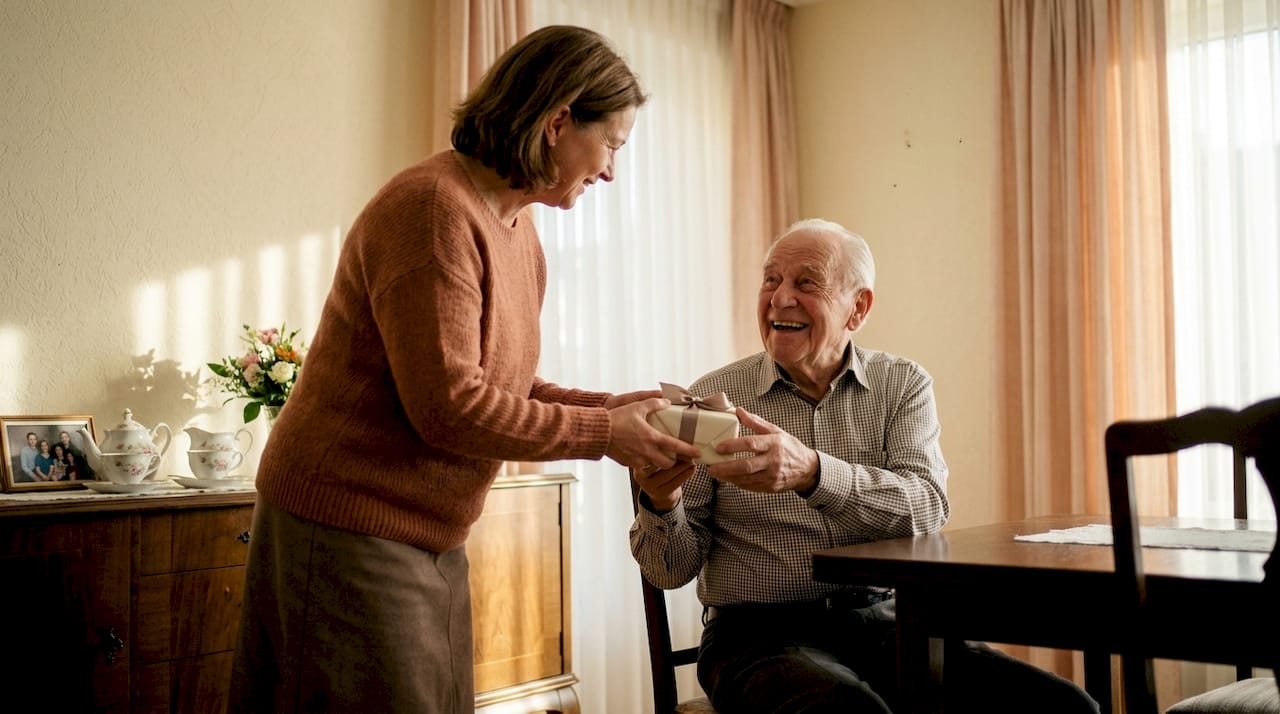
A thoughtful gesture is a deliberate act or message that shows genuine care and consideration for another person’s feelings and needs. Unlike a polite nicety, a thoughtful gesture is specific. It responds to who someone actually is, not just what social convention requires. Research confirms that small acts of care in relationships build emotional security and reduce the uncertainty partners feel about where they stand. Whether it’s a handwritten note, a well-timed compliment, or a small gift chosen with care, these acts carry weight far beyond their size.
What is a thoughtful gesture, and what makes it different?
A thoughtful gesture is defined as an action or communication that shows careful consideration for another person’s feelings, needs, or preferences with genuine kindness and attentiveness. The word “thoughtful” is the key. Generic kindness says, “I care about people.” A thoughtful gesture says, “I care about you, specifically.”
The difference shows up in the details. A generic compliment is, “You did great.” A thoughtful one is, “I noticed how much effort you put into that presentation, especially the part about the budget. That took real skill.” The second version signals that you were paying attention. That signal matters more than the words themselves.

Psychologists and relationship researchers describe this quality as attunement: the ability to notice and respond to what another person actually needs. Attunement is the foundation of every kind gesture that lands well. Without it, even expensive gifts or elaborate surprises can feel hollow.
The three elements that define a truly thoughtful act
Three qualities separate a thoughtful gesture from a routine one:
- Specificity. The gesture responds to something real and particular about the other person. Remembering that your partner hates surprises and planning a quiet dinner instead of a party is specific. Buying a generic gift card is not.
- Timing. A thoughtful act arrives when it is needed, not when it is convenient. Checking in on a friend the day after a hard conversation, not a week later, is what makes it land.
- Receiver focus. High-impact gestures are designed around the receiver’s preferences and needs, not the giver’s convenience. This is what makes them feel selfless rather than performative.
Pro Tip: Before choosing a gesture, ask yourself one question: “Does this reflect what they need, or what I would want?” That single shift in perspective changes everything.
Why thoughtful gestures matter in emotional connections
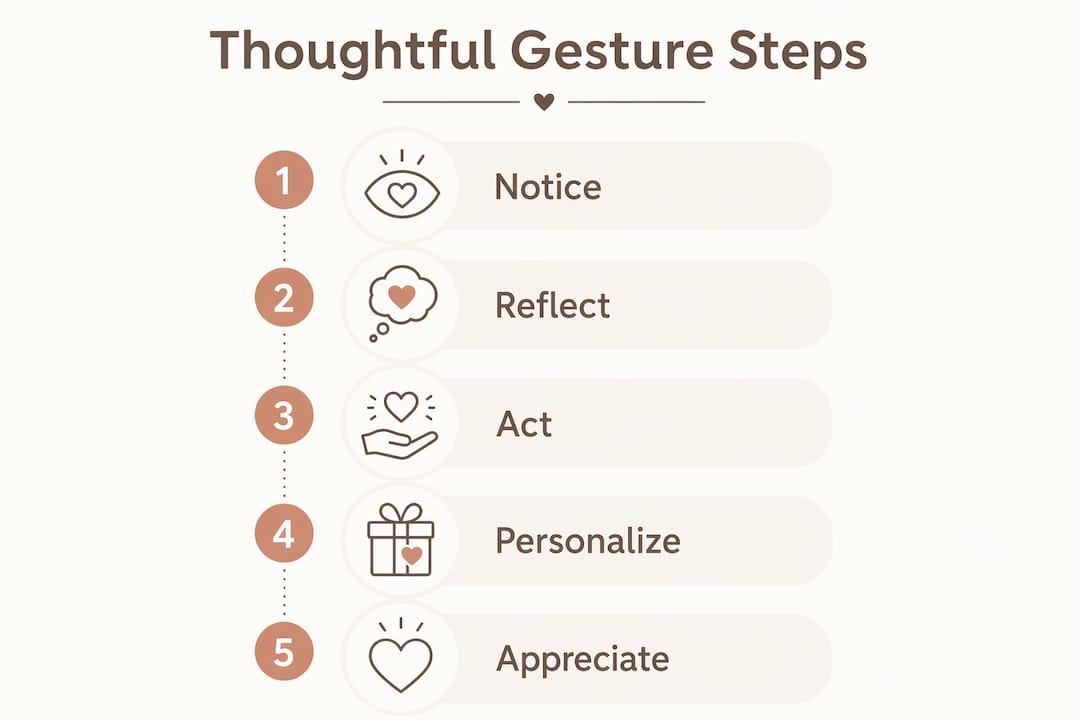
Small, intentional acts of care do something that grand gestures rarely achieve: they reduce uncertainty. Relationship uncertainty is the quiet anxiety partners feel when they are unsure how valued or secure they are. A text that says, “I was thinking about you today,” costs nothing and answers that anxiety directly.
Research from Duke University’s Fuqua School of Business found that small gifts around $3 produced greater emotional recovery than five-minute conversations about problems. That finding challenges the common assumption that talking through a problem is always the best support. Sometimes a tangible, receiver-focused act communicates care more clearly than words can.
“Thoughtful gestures are not grand plans. They are brief, intentional emotional connections — a smile, a gentle touch, a question about someone’s day — that signal you are present and paying attention.” — Aspen Counseling Services
Gratitude is the other side of this equation. When partners receive genuine expressions of appreciation, their willingness to be supportive in the future increases. This effect holds regardless of overall relationship quality, and it is actually stronger in relationships that are struggling. That means thoughtful gestures are not just maintenance for good relationships. They are repair tools for difficult ones.
Gratitude also strengthens relationships by reinforcing communal norms, the shared sense that both partners are invested in each other’s wellbeing. Every small act of consideration adds to that shared account.
How to show appreciation through thoughtful gestures
Showing appreciation effectively is a skill. Most people default to saying “thank you” and moving on. The gestures that actually build connection go one step further: they name what was done, explain why it mattered, and connect it to the impact it had.
Dale Carnegie’s principles on sincere appreciation, as detailed by the Art of Manliness, make this concrete. Noticing effort, not just outcomes, and being specific about why something mattered signals genuine thoughtfulness. It also builds trust and positive reciprocity. Telling someone “You stayed late to help me finish that, and it made a real difference” is more powerful than “Thanks for your help.”
Here is a practical framework for expressing appreciation in a way that sticks:
- Name the specific action. Identify exactly what the person did. Vague praise feels generic. Specific recognition feels real.
- State why it mattered. Connect their action to its effect on you or others. This is what ties appreciation to impact and makes it authentic.
- Choose the right format. Verbal thanks works in the moment. A handwritten note works for lasting impact. An act of service works when words feel insufficient.
- Match the timing to the moment. Appreciation expressed immediately after an act carries more weight than appreciation delivered days later.
- Consider the receiver’s preferences. Some people find public praise uncomfortable. Others need to hear appreciation out loud to believe it. Knowing the difference is itself a thoughtful act.
Pro Tip: Gratitude does not always require verbal thanks. Creative expressions like a handwritten note left somewhere unexpected or a small act of service can carry more emotional weight than a spoken “thank you.”
Examples of thoughtful gestures you can use every day
The most effective thoughtful gestures are not expensive or elaborate. They are consistent and specific. The table below compares gesture types by effort level and emotional impact to help you choose what fits your relationship.
| Gesture type | Example | Effort level | Emotional impact |
|---|---|---|---|
| Verbal compliment | “I noticed how patient you were today.” | Low | High when specific |
| Written note | A short message left on their pillow or desk | Low | High, lasting |
| Small gift | A coffee order they love, brought without being asked | Low to medium | High when receiver-focused |
| Act of service | Handling a task they dread without being asked | Medium | Very high |
| Shared experience | Planning something around their interests, not yours | Medium to high | Very high |
Beyond the table, here are daily gestures that require almost no time but deliver real emotional value:
- Ask a specific question about something they mentioned days ago. “How did that conversation with your manager go?” shows you were listening.
- Send a message mid-day with no agenda. Not a question, not a request. Just a note that says you were thinking of them.
- Acknowledge effort out loud when you see it. “You’ve been working really hard this week” costs nothing and means a great deal.
- Remember a small preference and act on it. Buying the brand of tea they like, unprompted, is a gesture that communicates attention.
- Offer physical affection at a moment when they seem stressed, not just when you want connection.
The common thread across all of these is intentionality. Relationship experts consistently point to brief, intentional bids for connection as the building blocks of emotional closeness. None of these examples require a special occasion. They require only the habit of paying attention.
Key Takeaways
Thoughtful gestures build emotional connection through specificity, timing, and a genuine focus on the other person’s needs rather than the giver’s convenience.
| Point | Details |
|---|---|
| Definition of a thoughtful gesture | A deliberate act or message showing genuine care and attentiveness to another person’s specific needs. |
| Specificity is the key differentiator | Generic kindness is forgettable; gestures tied to real, observed details about a person land with lasting impact. |
| Small acts reduce uncertainty | Daily kindness signals emotional security and answers the quiet anxiety partners feel about their standing. |
| Gratitude increases future support | Receiving genuine appreciation raises a partner’s willingness to be helpful and supportive long-term. |
| Consistency beats grand gestures | Brief, repeated acts of attention build stronger bonds than rare, elaborate displays of affection. |
The thing most people get wrong about thoughtful gestures
Most people wait for the right moment to do something meaningful. A birthday, an anniversary, a crisis. That instinct is understandable, but it misses the point entirely. The gestures that build the deepest connections are the ones that arrive on an ordinary Tuesday with no occasion attached.
I’ve watched couples put enormous energy into anniversary dinners and Valentine’s Day plans while going weeks without a single unprompted message or specific compliment. The grand gesture lands, gets appreciated, and then fades. The Tuesday text, the remembered preference, the note left on a desk — those accumulate. They become the texture of the relationship itself.
The research on this is clear, but the lived experience is even clearer. People do not remember the expensive gift as much as they remember the moment someone proved they were paying attention. That proof does not require money or planning. It requires the habit of noticing.
My honest advice: start smaller than you think you need to. Pick one gesture this week that is specific to the person you care about. Not a category of gesture. One act, tied to one real thing you know about them. Do that consistently, and the relationship changes. Not because of any single moment, but because of what the pattern communicates over time.
— Alan
How Pingher helps you stay consistently thoughtful
Consistency is the hardest part of thoughtful communication. Life gets busy, and the intention to send a meaningful message often gets lost between meetings and obligations.
Pingher is built specifically for this problem. The platform lets couples craft and send personalized messages to their partners with a single tap, making it easy to express care and appreciation daily without requiring significant time or effort. Pingher combines the personal touch of a handwritten note with the convenience of a messaging app. For couples who want to maintain emotional connection through consistent, meaningful communication, Pingher turns good intentions into a daily habit.
FAQ
What is the meaning of a thoughtful gesture?
A thoughtful gesture is a deliberate act or message that shows genuine care and attentiveness to another person’s specific feelings and needs. It goes beyond politeness by responding to who someone actually is, not just what social convention requires.
What are some simple examples of thoughtful gestures in relationships?
Simple examples include remembering a partner’s preferences and acting on them unprompted, sending a mid-day message with no agenda, acknowledging effort out loud, and leaving a handwritten note somewhere unexpected. The key is specificity, not scale.
Why do small gestures matter more than grand ones?
Small, consistent gestures reduce relationship uncertainty and signal ongoing attentiveness, which builds emotional security over time. Research from Verywell Mind ties daily kindness and responsiveness directly to greater relationship stability.
Do gifts count as thoughtful gestures?
Yes, and research from Duke University’s Fuqua School of Business found that small gifts can produce greater emotional recovery than five-minute conversations. The critical factor is that the gift is receiver-focused, chosen around the other person’s preferences rather than the giver’s convenience.
How does gratitude relate to thoughtful gestures?
Expressing gratitude is itself a thoughtful gesture, and receiving it increases a partner’s future willingness to be supportive and helpful. Research shows this effect is strongest in relationships that are already under strain, making gratitude a repair tool as much as a maintenance one.
Recommended
Built for couples who care.
Pingher helps you send the right words at the right moment.
Get Pingher on Google Play